Table of Contents
Introduction
Life is often a tapestry woven with threads of joy and sorrow, triumph and defeat. While we all cherish the happy moments, it is the difficult experiences that can provide profound lessons and insights. Finding meaning in these challenging times is not only essential for personal growth but also for developing resilience and empathy. This article explores various strategies to help individuals navigate their way through tough experiences and emerge with a sense of purpose and understanding.
Understanding the Nature of Difficult Experiences
Difficult experiences are often characterized by feelings of pain, confusion, or loss. They can range from personal tragedies, such as the death of a loved one, to broader societal issues, such as economic hardship or health crises. It is essential to recognize that experiencing hardship is a universal aspect of the human condition. Acknowledging this truth can help alleviate feelings of isolation and despair. According to psychological research, individuals who find meaning in their struggles are more likely to exhibit resilience and maintain better mental health. This understanding sets the stage for discovering valuable insights within our challenges.
Strategies for Finding Meaning in Adversity
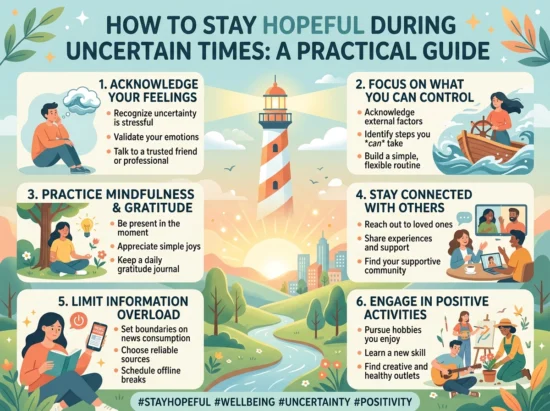
One effective strategy for finding meaning in difficult experiences is through reflection. Taking time to process what has happened can lead to greater clarity. Journaling is a powerful tool for this purpose. By writing about their feelings and thoughts, individuals can gain insights into their experiences and discover patterns or lessons that may have otherwise gone unnoticed. Additionally, seeking support from friends, family, or professionals can provide new perspectives that facilitate meaning-making. In many cases, sharing experiences with others who have faced similar challenges can foster a sense of community and understanding.
Another strategy involves reframing the narrative around the difficult experience. Instead of viewing challenges solely as obstacles, consider how they may contribute to personal growth. For example, someone who loses a job might initially see it as a setback. However, they might later recognize it as an opportunity to pursue a passion or develop new skills. This shift in perspective can transform a painful experience into a catalyst for positive change. Furthermore, incorporating practices such as mindfulness and gratitude can enhance one’s ability to find meaning, as they promote a focus on the present moment and appreciation for the small joys in life.
The Role of Spirituality and Belief Systems
For many, spirituality or a belief system can play a crucial role in finding meaning amid suffering. Whether through organized religion, personal belief, or philosophical exploration, these frameworks can provide comfort and context during difficult times. Engaging in spiritual practices, such as prayer, meditation, or attending religious services, can foster a sense of connection to something greater than oneself. This connection often instills hope and a sense of purpose, even in the darkest moments. Studies have shown that individuals with strong spiritual beliefs tend to cope better with adversity, as they draw strength from their faith and community.
Conclusion
Finding meaning in difficult experiences is an essential journey that can lead to personal growth, resilience, and a deeper understanding of oneself and the world. By employing strategies such as reflection, reframing narratives, and engaging with spiritual practices, individuals can navigate their struggles with grace and emerge stronger. While the path may be fraught with challenges, embracing the lessons learned along the way can illuminate a path toward a more meaningful and fulfilling life.