Table of Contents
Introduction
Trust is a cornerstone of spiritual growth, acting as a bridge that links our inner selves with the divine and the universe around us. In a world filled with uncertainty, establishing trust can be challenging, yet it is essential for nurturing our spiritual journey. This article explores the significance of trust in spiritual development, examining how it fosters deeper connections, enhances personal transformation, and cultivates resilience in the face of adversity.
The Foundation of Trust in Spirituality
At its core, trust is about belief and confidence in something greater than ourselves. In spiritual contexts, this often translates to trust in God, the universe, or a higher power. When individuals cultivate trust, they open themselves to experiencing spiritual guidance and wisdom. This foundational trust allows for a more profound sense of belonging and purpose, enabling individuals to navigate life’s challenges with a sense of security.
For instance, many spiritual traditions emphasize surrendering to a higher power as a way to foster trust. This surrender is not about relinquishing control but rather about recognizing the limits of our understanding and allowing faith to guide our actions. By doing so, individuals often report feeling a greater sense of peace and clarity as they move through life’s complexities.
Trust as a Catalyst for Personal Transformation
Trust plays a pivotal role in personal transformation, particularly in the context of spiritual practices such as meditation, prayer, and self-reflection. When individuals trust the process of their spiritual journey, they are more likely to engage deeply with these practices, leading to meaningful insights and personal growth.
For example, during meditation, trusting the silence and stillness can lead to profound revelations about oneself and one’s purpose. This trust allows individuals to confront their fears and insecurities, paving the way for healing and transformation. The act of trusting oneself and the spiritual process can unlock potential that may have previously been stifled by self-doubt.
Building Resilience Through Trust
Life is rife with challenges, and trust serves as a vital tool for building resilience. When faced with adversity, individuals who have cultivated trust are better equipped to cope with difficulties. Trust provides a safety net, allowing individuals to lean into their faith and inner strength during turbulent times.
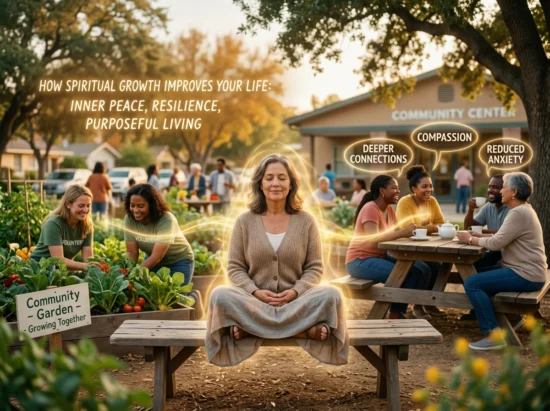
Moreover, trust fosters a sense of community among individuals on similar spiritual journeys. By sharing experiences and supporting one another, individuals can reinforce their trust in the process and in each other. This interconnectedness not only enhances personal resilience but also builds a supportive spiritual network that encourages growth and understanding.
Conclusion
In conclusion, trust is an indispensable element of spiritual growth. It lays the groundwork for deeper connections with the divine, catalyzes personal transformation, and cultivates resilience in navigating life’s challenges. By fostering trust in ourselves, others, and a higher power, we can embark on a more fulfilling spiritual journey that enriches our lives and the lives of those around us. Embracing trust is not merely a choice; it is a transformative act that opens the door to a more profound spiritual existence.